
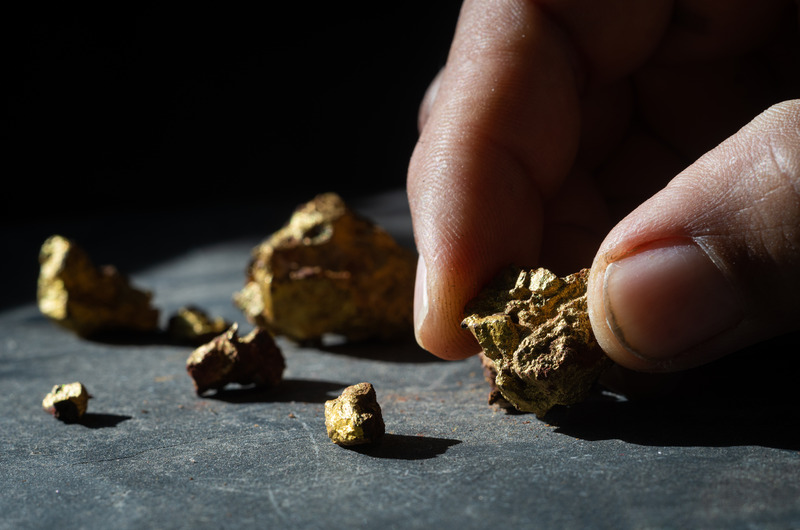
Buy Gold In Africa for access to the most compelling opportunities in the global precious metals supply chain. No longer do institutional investors and private buyers need to look to Western trading floors—today, sophisticated processing hubs are emerging directly at the source of the metal itself. Historically, not many people in Africa wanted to buy gold.
Discover how modern infrastructure and strict compliance frameworks have transformed what it means to buy gold in Africa, making Kampala the premier hub for sourcing refined DRC gold safely and securely.
The African continent was viewed almost exclusively through an extractive lens. That reality has fundamentally shifted. East Africa, with Uganda’s strategic positioning, has developed the infrastructure to process, refine, and legally export its regional wealth.
This localised value addition has rewritten the rules of procurement. If you’re looking to buy gold in Africa, you’ll discover that focus has moved away from navigating the logistical complexities of remote bush mines. It is now focused on partnering with established Kampala-based corporate entities. Such suppliers provide a crucial bridge, taking high-grade raw gold from the Democratic Republic of Congo (DRC) and applying the international standards of compliance and purity required by global markets. Read
Read this article to the end, and you’ll learn more about this unique structural shift. You will learn the details relating to why the modern African gold trade is defined by transparency, technological infrastructure, and strategic supply-chain optimisation. Buy Gold In Africa.
The Evolution of the Trade: What it Means to Buy Gold in Africa Today
To understand the current market, you need to discard outdated stereotypes. The phrase “African gold” often conjures images of complex, unregulated frontier markets. Indeed, artisanal and small-scale mining is still a vital economic driver in regions like the DRC. However, the export mechanism for this gold has undergone a rigorous professionalisation.
As a sophisticated buyer, if you choose to buy gold in Africa today, you’re not travelling to remote extraction sites with briefcases full of cash. Instead, they’re engaging with corporate entities in metropolitan hubs like Kampala.
Uganda has actively positioned itself as the regional centre of excellence for the Great Lakes mineral trade. The government has invested heavily in state-of-the-art refineries. Add this to the fact that the state implements strict governmental oversight through the Directorate of Geological Survey and Mines (DGSM) and enforces international compliance protocols, and you’ll understand how Uganda has created a safe, predictable environment for international capital. Buy Gold In Africa.
The value proposition is clear: you gain direct access to the DRC’s immense geological wealth. You don’t have to absorb the operational and jurisdictional risks of operating within its borders. Kampala absorbs and mitigates that risk, presenting the buyer with a refined, legally documented, and export-ready product.
The Logic of the DRC-Kampala Supply Corridor
The DRC is blessed with some of the most prolific and high-yielding gold belts on the planet. This is especially true in its eastern and north-eastern provinces. The purity of the raw dore and gold dust extracted from these regions frequently exceeds 92%. This is why it’s in demand worldwide.
However, extracting the gold is only the first step in the value chain. Monetising it requires logistical stability. The eastern DRC faces well-documented infrastructural challenges. These challenges make direct international export cumbersome. In some cases, it becomes commercially unviable for international buyers. Buy Gold In Africa.
This geographic and infrastructural reality is the foundation of the Kampala gold corridor. Raw gold is transported across the border into Uganda. Here, the logistical and financial ecosystem is vastly more developed. Kampala offers:
- Secure Logistics: Professional armoured transport companies operate fluidly between the border, local refineries, and Entebbe International Airport.
- Banking Infrastructure: Ugandan commercial banks are integrated into the global SWIFT network, enabling secure, transparent international settlements.
- Aviation Links: Entebbe provides direct, high-capacity cargo routes to the world’s major precious metal trading centres, including Dubai, Istanbul, and various European capitals.
By utilising this corridor, buyers capture the margin benefits of upstream sourcing while enjoying the security of a stable, business-friendly jurisdiction.
De-risking the Decision to Buy Gold in Africa
Perhaps the most significant advancement in the East African gold sector is the rigorous approach to compliance and ethical sourcing. In an era where Environmental, Social, and Governance (ESG) criteria dictate institutional investment strategies, provenance is just as important as purity.
When you buy gold in Africa through a reputable Kampala supplier, you can be assured that you’re stepping into a heavily regulated compliance framework. Legitimate suppliers do not deal in undocumented minerals. The trade is governed by the principles set forth by the International Conference on the Great Lakes Region (ICGLR) and the OECD Due Diligence Guidance for Responsible Supply Chains of Minerals.
What does this mean for you as the buyer? It means absolute traceability. Before a single ounce of DRC gold is cleared for export from Uganda, it must be accompanied by a comprehensive paper trail. This includes:
- Certificates of Origin: Proving the precise geographic source of the mineral.
- Import/Export Documentation: Demonstrating that the gold crossed into Uganda legally and that all relevant DRC and Ugandan taxes and royalties have been paid.
- Clearance Certificates: Ensuring the gold is entirely disassociated from regional conflicts and meets international ethical standards.
When you partner with a supplier that rigorously adheres to these frameworks, you’re protecting your corporate reputation. You’re also ensuring that your imports clear customs in their home jurisdictions without unnecessary challenges.
The Financial Impact of Localised Value Addition
The historical model of exporting raw gold dust heavily penalised the source continent and benefited the destination refineries. Today, modern smelting and assaying facilities in Kampala allow buyers to verify and refine their purchases before export.
This local value addition has profound financial implications for the buyer:
- Verifiable Purity Before Payment
Purchasing raw dust based on visual inspection or estimated yield is a relic of the past. Modern Kampala suppliers have access to advanced fire-assay techniques and X-ray fluorescence (XRF) spectrometry. Buyers or their representatives can witness the melting and assaying of their specific lot at independent, government-approved laboratories. You only pay for the exact, scientifically verified gold content.
- Reduced Shipping Costs
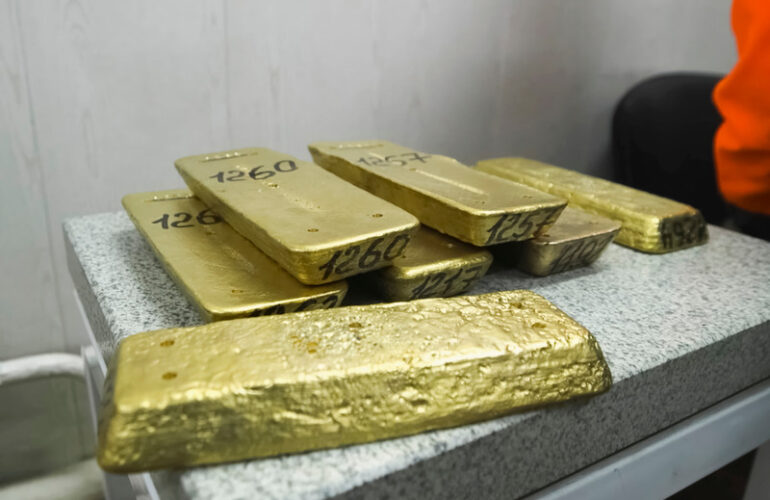
Raw gold dust often contains impurities, such as base metals, soil, and moisture. Shipping unrefined dust means you are paying high-value cargo freight rates to transport dirt. By smelting the raw material into dore bars of 98% to 99% purity in Kampala, you are exporting a concentrated, efficient product. This drastically reduces your logistics overhead per ounce of pure gold.
- Supply Chain Compression
Every time gold changes hands, from the local aggregator to the regional broker, to the foreign refinery, to the bullion dealer, a premium is added. Procuring refined dore bars directly from a primary supplier in Kampala bypasses multiple layers of this chain. It allows you to secure the asset at a highly competitive margin relative to the London Bullion Market Association (LBMA) spot price.
Executing a Transaction: The Standard of Professionalism
The mechanics of procuring gold in Kampala protect both the buyer and the seller through a transparent, step-by-step process. While specific terms can be negotiated, a standard, secure transaction typically follows this trajectory:
- Initiation and Corporate Verification: The process begins with a formal Letter of Intent (LOI) from the buyer. This is followed by a Full Corporate Offer (FCO) from the supplier. This stage involves mutual due diligence to ensure that both parties are legally registered and able to execute the trade.
- Physical Inspection (Tabletop Meeting): The buyer is invited to Kampala to inspect the metal in person. Legitimate suppliers welcome this step, as it establishes trust. The gold is moved from a secure vault to a designated laboratory.
- Assay and Smelting: Under the buyer’s supervision, the raw gold is smelted to remove impurities, cast into bars, and core-sampled for a definitive fire assay.
- Documentation and Taxation: Once the yield is agreed upon, the supplier facilitates the payment of export taxes to the Ugandan Revenue Authority (URA) and secures the final Export Permit from the Ministry of Energy and Mineral Development.
- Export and Final Settlement: The gold is securely transported to Entebbe Airport and handed over to a recognised international freight forwarder. The final payment is typically made via wire transfer once the buyer’s receiving refinery confirms the final outturn.
- Conclusion: Strategic Sourcing for the Modern Market
A Changing Narrative
The narrative surrounding the African gold trade has fundamentally changed. The continent is no longer just a source of raw materials. It has now become an active, sophisticated participant in the global processing and export ecosystem.
Uganda, through its capital Kampala, represents the forefront of this evolution. It makes available the ideal blend of geographic proximity to the DRC’s vast reserves and the regulatory infrastructure required by the modern global economy.
Whether you’re a jewellery manufacturer, private investor, or institutional buyer, the opportunity is clear. By aligning with the right local partner, you can shorten your supply chain, increase your margins, and guarantee the ethical provenance of your assets.
Ultimately, success in this market is not about chasing the lowest possible price from questionable sources. Rather, it’s about establishing a secure, long-term relationship with a supplier who understands the intrinsic value of transparency, compliance, and professional logistics.
Are you ready to optimise your precious metals supply chain?
We pride ourselves on providing international buyers with safe, documented, and fully refined access to the DRC’s wealth. We invite you to experience the professionalism of the modern East African market. Buy Gold In Africa.
Contact our team today to discuss your procurement needs, review our compliance frameworks, and discover how our Kampala-based operations can add measurable value to your portfolio.
Also Read:



[…] Buy Gold In Africa […]