
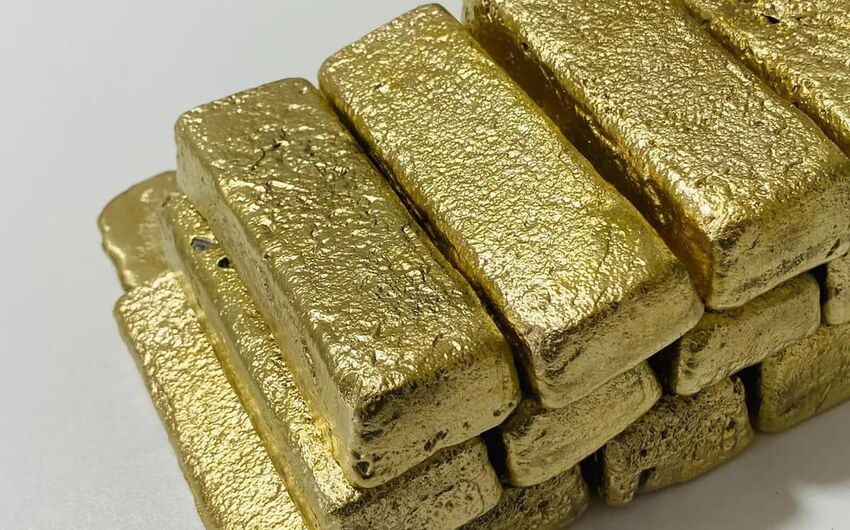
The difference between a successful gold transaction and a costly mistake often comes down to how the export is managed or how gold sellers export gold.
In the heart of East Africa, the gold trade is vibrant, connecting the resource-rich lands of the Democratic Republic of the Congo (DRC) to international markets via the commercial hub of Kampala. If you’re an international buyer, understanding how gold sellers export gold is just as important as having an appreciation of the logistics, legalities, and complex procedures of this trade.
Are you looking to invest in precious metals from East Africa? Discover the comprehensive legal process of how gold sellers export gold from Kampala and the DRC, ensuring safety, compliance, and profitability.
While the allure of high-purity gold can be strong, many people involved in the trade realise that moving the metal across borders is complex. If you find yourself in this situation, you’ve come to the right place. This article provides an in-depth look at how gold sellers export gold. It contains all the information you need to ensure your investment is not just secure but also documented and fully compliant with international laws.
Understanding the Landscape: The DRC-Uganda Connection
If you want to understand the export process, you’ll need to understand the trade’s geography. The DRC is home to some of the world’s most significant gold deposits. However, due to infrastructural challenges and banking limitations in parts of the DRC, Kampala has become the main processing, refining, and export hub for the region.
Trusted gold dealers in Kampala act as crucial bridges. Their role involves facilitating the legal importation of raw Gold Dore bars from the DRC. Part of their work involves refining and assaying in Uganda, as well as managing subsequent exports to gold destinations worldwide, such as Dubai, Hong Kong, or Switzerland.
This trans-shipment process allows buyers to purchase gold that has been globally cleared, taxed, and certified in a stable jurisdiction before it departs the continent.
How Gold Sellers Export Gold: The Step-by-Step Process
When many people imagine exporting gold, they envisage finding a seller, buying the gold, and boarding a return flight with a suitcase full of it. However, the situation on the ground is different as this is a bureaucratic and logistical operation.
Professional exporters adhere to a strict protocol to satisfy the Uganda Revenue Authority (URA), the Department of Geological Survey and Mines (DGSM), and international standards.
Below is a detailed workflow of how gold sellers export gold.
- Sourcing and Importation
The genesis of the journey is a mine in the DRC. Here, cooperatives sell gold to licensed dealers. Once they’ve purchased the gold, they declare it at the border customs point.
They’ll be informed about the taxes to pay, and the origin will be logged to comply with the International Conference on the Great Lakes Region (ICGLR) certification mechanism. This is an important step as it establishes the “chain of custody”, providing proof that the gold is not associated with conflict.
- Refining and Assaying
Most of the gold that lands in Kampala is not in a state where it could be sent to international buyers. Typically, it arrives as Gold Dore bars with purity ranging from 92% to 96%. Before you can have export documentation generated, you’ll need to establish the exact purity.
- Smelting: This ensures homogeneity.
- Assay: A government refinery or laboratory performs a Fire Assay or XRF analysis to determine the precise karat and purity. The produced assay report becomes part of the commercial invoice and is used in the calculation of export royalties.
- Documentation and Taxing
The documentation and taxation phase is the most critical. In Uganda, the government imposes specific royalties on gold exports.
As an exporter, you’re obligated to pay URA fees. After your payment is confirmed, the DGSM will issue your export permit. If you don’t have that permit, you’ll not be able to legally depart Entebbe International Airport or any other airport in the country with your gold.
Essential Documentation for Legal Export
As a buyer, paperwork is your only guarantee of ownership and legality. For this reason, you’ll always need to ensure that your seller provides a complete set of documents. Arrive at the airport with a missing document, and customs officials will confiscate your gold.
A legitimate consignment from Kampala will include the following:
- Certificate of Origin: Issued by the Chamber of Commerce or relevant ministry, to be used as proof of the gold’s origin.
- Export Permit: Issued by the Department of Geological Survey and Mines.
- INTERPOL Clearance Certificate: Providing the certification that the gold is not stolen property or proceeds of criminal activities.
- Laboratory Assay Report: Confirms the purity and weight of your gold.
- Airway Bill (AWB): Contains the flight details and cargo tracking number.
- Commercial Invoice: Includes details of the buyer, seller, price, and terms related to the sale.
- Packing List: Details of the containers used for transport.
- ICGLR Certificate: It is a regional certificate that guarantees the mineral is conflict-free (essential for DRC-sourced gold).
Logistics and Security: How Gold Sellers Export Gold Safely
When your paperwork has been signed and stamped, the physical movement of your asset takes center stage. This is how gold sellers export gold without compromising security.
Secure Transportation
Professional sellers don’t arrive with suitcases full of gold. They commission logistics companies to transport the bullion from the Refinery to Entebbe International Airport. Such companies’ second armoured vehicles are escorted by armed security personnel.
Customs Clearance at Entebbe
The final verification of your gold shipment will take place at the Entebbe International Airport when you export your Kampala-acquired assets. Officials may also want to inspect the shipment to ensure it matches the INTERPOL clearance. When your gold is cleared, it will be handed over to the airline or the freight forwarder.
Insurance and Incoterms
The majority of transactions are done on a CIF (Cost, Insurance, and Freight) or FOB (Free on Board) basis.
- CIF: The transport and insurance for the gold in transit to your airport is paid by the person or entity you buy from.
- FOB: When following this route, you, as the buyer, take responsibility once the gold is placed in the plane.
Legitimate sellers will insist on full insurance coverage for the precious metal while it is in transit to ensure protection in the event of loss or theft.
The Financial Breakdown: Taxes and Royalties
A leading reason buyers prefer established gold sellers in Kampala is transparency regarding costs. Exporting gold involves huge financial obligations to the state. If you try to bypass these costs, you’re essentially smuggling. This can put your capital at risk.
Below is a table outlining the typical cost structure for export processes in Uganda.
| Cost Component | Description | Estimated responsibility |
| Export royalty | Fee paid to Uganda Revenue Authority (URA) based on value/weight. | Seller (usually included in price) |
| Processing fees | Smelting and bar manufacturing costs. | Seller |
| Assay fees | Laboratory testing for purity. | Seller |
| Freight/shipping | Air cargo charges to the destination (e.g., Dubai). | Buyer or Seller (Depends on Incoterms) |
| Insurance | Transit insurance (approx. 1-2% of value). | Buyer or Seller (Depends on Incoterms) |
| Documentation | Costs for certificates of origin, legal stamping, etc. | Seller |
| Import Tax (Destination) | Duties are applied when gold lands in the buyer’s country. | Buyer |
Avoiding Scams: The Importance of Due Diligence
The internet is rife with offers of gold at huge discounts. It is vital to understand that gold is a financial instrument; it is sold at or near the London Metal Exchange (LME) spot price.
Red Flags to Watch For:
- Discounts: Anyone offering gold at 20% or 30% below the market price is running a scam. The margins in gold are slim.
- No Physical Presence: Always verify that the seller has a physical office in Kampala and a valid trading license.
- “Hand Carry” Requests: Legitimate exporters rarely ask buyers to fly in and carry gold out in hand luggage. This is often a setup for theft or for arrest on smuggling charges.
- Request for Upfront Fees via Western Union: Legitimate businesses use bank transfers (T/T) to corporate accounts, not personal money transfers.
Start Your Gold Transaction with Confidence
The gold trade is lucrative, there is no doubt. However, if you also want to enjoy its rewards, you’ll need to start by respecting the process and understanding how gold sellers export gold, from the mines in the Congo to the secure vaults of Kampala, and ultimately to the international market, which is central to a successful transaction.
For a serious investor like you, your goal is not just to buy gold but to gain peace of mind. If you partner with a licensed, transparent, and established Kampala gold seller, you ensure that every gram of gold is assayed, documented, and legally exported.
Are you ready to navigate the East African gold market with a trusted partner who understands the intricacies of the trade? If your answer is yes, contact us today. Let us handle the logistics, compliance, and export procedures so that you can focus on one thing only: the growth of your assets.
Also Read
Estimated reading time: 7 minutes



[…] How Gold Sellers Export Gold […]
[…] is the foundation of any legitimate direct purchase. Below is the standard process that reputable Kampala-based suppliers follow when working with international buyers. If any supplier deviates significantly from these […]
[…] How Gold Sellers Export Gold […]