

If you want to invest in precious metals, knowing how to verify gold sellers is crucial. This is the most important element because it ensures that you always receive authentic, ethically sourced gold. The gold market, especially in regions such as East Africa, where gold from the Democratic Republic of the Congo (DRC) flows through hubs like Kampala, Uganda, can be complex. This complete resource will help you navigate the verification process and identify trusted gold sellers.
How to verify gold sellers: Your complete resource for identifying legitimate dealers, checking gold authenticity, and ensuring ethical sourcing from DRC.
Understanding the Importance of Verifying Gold Sellers
When you consider that the global gold trade is valued at billions annually, it becomes easy to understand why it attracts the most unscrupulous operators. Therefore, learning how to verify gold sellers protects you from counterfeit products, ensures fair pricing, and guarantees that the gold you finally buy is sourced from legitimate sources.
Whether you’re buying gold for the first time or are a pro investor, verification should always be your first step. The verification is a multifaceted approach, which involves documentation, physical checks, understanding dynamics, and being able to read the red flags. Let’s look at all these in greater detail.
Essential Documentation to Request from Gold Sellers
If a gold seller is legitimate, they will not hesitate to provide appropriate documentation. In your process of verifying gold sellers, you should begin by asking for business registration certificates.
In Uganda, reputable gold sellers conducting their business from Kampala should have valid licences and operate in compliance with the provisions of the Uganda Revenue Authority and relevant mining and trade authorisations.
Request for export permits and mining licences. These demonstrate the origins of the gold. If gold is sourced from the Democratic Republic of Congo (DRC), a genuine seller will produce documentation proving legal extraction and export. This includes mineral certificates from the Congolese Ministry of Mines and compliance with the International Conference on the Great Lakes Region (ICGLR) certification mechanism.
Physical Verification Methods for Gold Authenticity
Properly verifying gold sellers also involves knowing how to verify the gold itself. If a gold seller is legitimate, they will be happy to have you test their products using different methods.
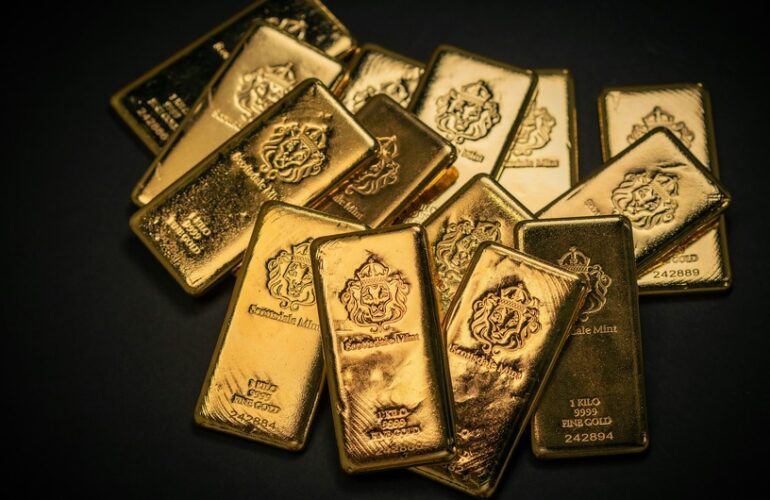
Hallmarking and Stamps: Authentic gold comes with markings indicating levels of purity (such as 999 for 24-karat gold). Using magnification, carefully examine these stamps.
Professional Assaying: Ask for independent assay certificates from recognised laboratories. Trusted gold sellers will have a relationship with certified assayers able to verify gold purity through fire assay or X-ray fluorescent testing.
Physical Testing: It may not be fool proof, but simple tests such as the magnet test (gold is not magnetic) and the density test can provide the first level verification. If a seller is professional, they will be happy to accommodate these requests.
Evaluating Business Reputation and Track Record
When learning how to verify gold sellers, you need to focus your research on their industry history. Here are some of the things you should concentrate on.
- Years in Operation: You’d agree that sellers with a long track record are likely to be more reliable.
- Client Testimonials and Reviews: Look for verified feedback from verified customers.
- Industry Associations: Memberships in organisations like the Uganda Association of Artisanal & Small Scale Miners (UGAASM) indicate credibility.
- Banking Relationships: Legitimate gold dealers maintain accounts with reputable financial institutions.
The more a gold seller is able to meet these conditions, the more likely it is that you’re dealing with someone who’s legitimate.
Understanding Regional Gold Trade Dynamics
Gold from the Democratic Republic of Congo represents a huge percentage of the East African gold trade. Its proximity to the DRC has made Kampala a major centre for Congolese gold. If you’re going to verify gold sellers in this region, it is vital to start with an understanding of the supply chain.
Ethical sellers are transparent regarding explanations on how gold travels from Congolese mining areas to the markets of Kampala. In their explanations, they should demonstrate that they are compliant with conflict-free gold standards and the OECD Due Diligence Guidance for Responsible Supply Chains from Conflict-Affected and High-Risk Areas.
Red Flags When Verifying Gold Sellers
You may know what to look out for, but you’re still vulnerable if you don’t know what to avoid. If a gold seller exhibits one of these red flags, you need to disqualify them immediately:
- Do not have documentation of business registration details
- Offer prices that sound too good to be true because they are considerably below market value
- Put you under pressure to make immediate decisions
- Fail to provide assay certificates or permit independent testing
- Do not have a clear physical business address, preferring to meet in hotel rooms, restaurants, or private residences
- Refuse to discuss the origin of their gold or supply chains
- Do not have any references from previous clients
- Avoid formal payment methods and only prefer transactions that involve cash
The above signs indicate that you’re dealing with someone who prefers to operate under the radar. There is a reason why someone would want to do that; it is because they are unscrupulous and do not want to be traced, including by you when you finally discover you’ve been scammed.
Legal Compliance and Regulatory Framework
To effectively verify gold sellers, you’ll need to make sure that they satisfy all the local and international regulations. If you’re in Uganda, all gold sellers must comply with the Mining Act and all associated regulations. Therefore, sellers must:
- Hold valid mineral dealer licences
- Keep appropriate records for all transactions
- Comply with regulations aimed at combating money laundering
- Pay all the required taxes and royalties
- Abide by export procedures when shipping internationally.
So, if you’re purchasing gold sourced in the DRC, the person or entity selling to you should demonstrate compliance with both the mining laws in the DRC and international frameworks regarding conflict minerals.
The Role of Third-Party Verification
With independent verification, you are able to attain additional security. In this regard, you can consider engaging:
Licenced Assayers: Independent laboratories can assist in testing gold purity and authenticity.
Due Diligence Firms: Specialised companies can investigate the background of sellers and verify documentation.
Legal Advisors: Lawyers experienced in issues related to trading precious metals can scrutinise contracts and verify legal compliance.
Industry Experts: Consultants with knowledge of the East African gold trade terrain can do assessments of seller credibility.
As you can see, you don’t have to be an expert in the gold trade in Kampala to be able to do your due diligence. You can subcontract that task to those who know their way around.
Building a Relationship with Trusted Gold Sellers
When you have successfully verified gold sellers and identified legitimate dealers, you can gain numerous advantages by building long-term relationships. Here are some of the advantages you can gain from established relationships:
- Getting better prices based on loyalty discounts
- When new inventory arrives, you get priority access
- You can negotiate flexible payment terms
- Your suppliers will be more transparent when they know you well.
- You enjoy easier verification for future processes.
Technology and Modern Verification Tools
The digital age has revolutionised how buyers can verify gold sellers, introducing innovative tools able to enhance transparency and authenticity verification. Modern technology makes available sophisticated verification methods we could not even dream about a few years ago. This has made it easier than ever to confirm the legitimacy of a seller and make sure that you get authentic products.
These technological solutions are leveraged by smart buyers, who couple them with traditional verification methods to create a robust due diligence process. The table below presents some key technological tools that can assist you in effectively verifying gold sellers:
| Technology Tool | Description and Benefits |
| Blockchain Tracking | Advanced sellers now use blockchain technology to document gold’s complete journey from mine to market. This creates an immutable, transparent record of the gold’s provenance, allowing buyers to trace the exact origin and chain of custody. This technology is particularly valuable for gold sourced from the Democratic Republic of Congo, as it provides undeniable proof of ethical sourcing. |
| Digital Certificates | Electronic verification documents that can be authenticated online through secure portals. These digital certificates contain encrypted information about gold purity, origin, and ownership history. They can be verified instantly through QR codes or unique identification numbers, eliminating the risk of forged paper documentation. |
| Online Registries | Government and industry databases where you can verify business licenses, certifications, and regulatory compliance. In Uganda and the DRC, official online registries allow you to confirm a seller’s legal status, mining permits, and export licenses within minutes, providing immediate verification of a dealer’s legitimacy. |
| Smartphone Apps | Specialised applications that can perform preliminary purity tests using spectroscopy and other analytical methods. While not a replacement for professional assaying, these apps provide immediate on-site verification capabilities. Some apps also connect to databases of registered dealers and can scan certificates for authenticity. |
Take the Next Step with Confidence
Now that you have an idea of how to verify gold sellers, you can put this knowledge into practice. We operate transparently from Kampala, sourcing ethically from the DRC with full documentation and compliance with international standards. We welcome all your questions, provide complete documentation, and encourage independent verification of our gold.
Contact us today to schedule a consultation, review our certifications, and discuss your gold investment needs. Working with us will give you the peace of mind that emanates from working with a verified, trusted gold seller. Visit our office in Kampala, speak with our team, and discover why informed buyers choose us for their precious metal investment. Your journey to secure a gold investment starts here.
Also Read
- How To Find Trusted Gold Sellers
- Documents Needed When Buying Gold
- Is Buying Gold From Africa Safe
- Best Country To Buy Gold From Sellers
Estimated reading time: 8 minutes



[…] How To Verify Gold Sellers […]
[…] How To Verify Gold Sellers […]
[…] How To Verify Gold Sellers […]
[…] How To Verify Gold Sellers […]