
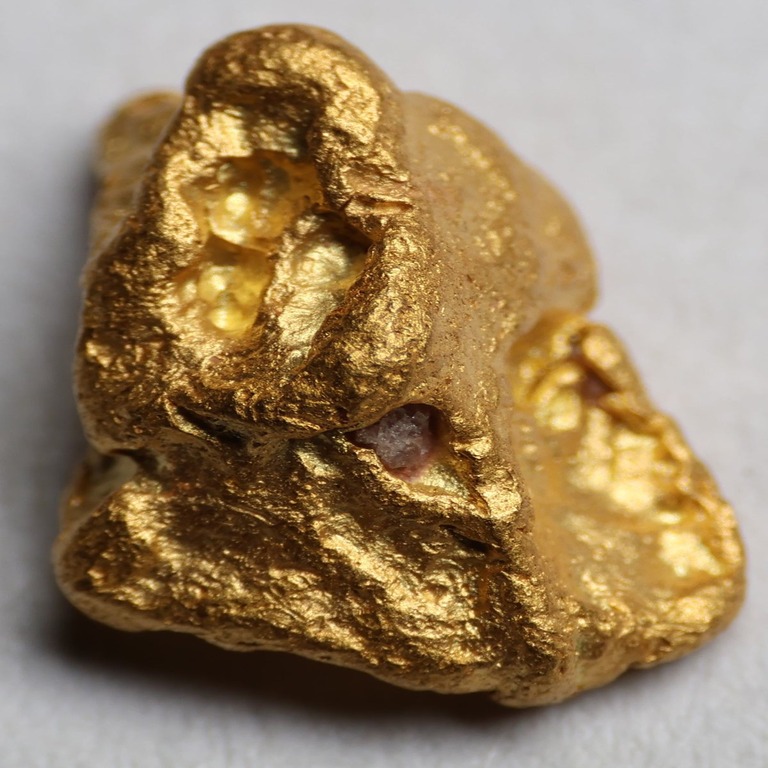
What Is Alluvial Gold?
Alluvial gold refers to gold that has been naturally eroded from its original rock source and deposited in riverbeds, streams, or sedimentary areas over time. Unlike gold found deep underground, alluvial gold is typically located closer to the surface and is recovered from sand, gravel, or soil through mining and washing processes.
This type of gold is formed through natural weathering and erosion, where gold-bearing rocks break down and gold particles are carried by water before settling in areas where water flow slows.
Role in the Gold Supply Chain
Alluvial gold represents an important source of raw gold in the mining industry. After recovery, it enters the processing and refining stages.
How Alluvial Gold Is Formed
Alluvial gold is commonly extracted using surface mining methods such as washing, gravity separation, and sediment processing. Because the gold is already separated from rock, alluvial mining often requires less crushing compared to hard rock mining.
- Primary Gold Formation
- Weathering and Erosion
- Transportation by Water
- Deposition
