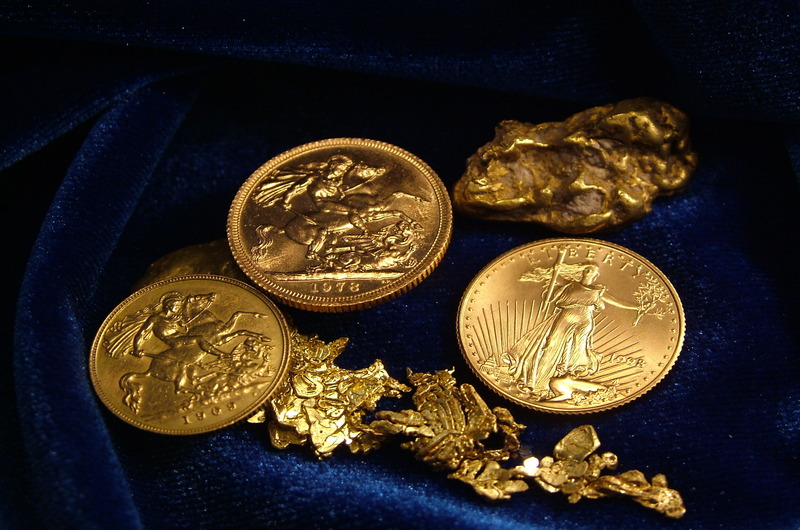
People searching for gold for sale coins are often looking for a practical way to own physical gold. Coins can be purchased in smaller quantities than large bars, are generally easy to store, and may be more convenient to sell individually when the owner needs liquidity.
However, it is vital to remember that it is not every product described as a gold coin that offers the same value. One coin may be purchased mainly for its gold content, while another commands a substantial premium because of its rarity, condition, or historical significance. Products also differ in weight, purity, origin, and market recognition.
Before buying, it is therefore important to understand exactly what is being offered and how its price has been calculated.
Aurum Core Mining is a Kampala-based gold mining and supply company serving eligible buyers seeking gold sourced through established networks in the Democratic Republic of the Congo (DRC). This guide explains what to consider when evaluating gold coins and how buyers can approach the purchasing process with greater confidence.
What Are Gold Coins?
A gold coin is a piece of gold produced in a standardised round form, usually by a government or private mint. Its design may identify the issuing country, denomination, year, weight, purity and mint.
Gold coins are not all intended for ordinary spending. Although some carry a face value and have legal-tender status in their issuing country, their gold content may be worth considerably more than the denomination stamped on the coin.
The United States Mint defines a bullion coin as an investment-grade coin valued according to the weight and fineness of its precious-metal content. This distinguishes bullion coins from ordinary currency and collectable coins whose value may depend heavily on rarity.
Gold coins should also be distinguished from nuggets, gold doré and refined bars. Gold mined or sourced upstream must be processed and refined before it can be manufactured into a precisely weighted coin. A legitimate supplier should therefore be clear about the form of gold being offered.
Bullion Coins and Collectable Coins
One of the first questions to ask is whether the product is a bullion coin or a collectable coin.
Gold bullion coins
Bullion coins are purchased mainly for their gold content. Their value generally moves with the international gold price, although buyers normally pay an additional premium for refining, minting, distribution, packaging and dealer services.
Common bullion coin families include the South African Krugerrand, Canadian Maple Leaf, American Eagle, American Buffalo, Austrian Philharmonic and British Britannia. These coins usually have published specifications that make their weight and purity easier to verify.
Mentioning these products does not mean that every supplier holds each coin in stock. Buyers should request confirmation of current availability.
Numismatic and collectable coins
Numismatic coins derive part of their value from their rarity, age, design, condition, historical significance or limited mintage.
A rare coin may sell for substantially more than the market value of the gold it contains. Establishing that value requires specialist knowledge because coins containing the same amount of gold can have very different collector prices.
Buyers primarily interested in owning physical gold may find bullion coins easier to assess. Those buying rare coins should consider obtaining an independent valuation from a qualified numismatic professional.
Why Buyers Choose Gold Coins
Gold coins appeal to buyers for several practical reasons.
They are available in different weights, allowing people to acquire physical gold without immediately committing to a large bar. Depending on the coin, available sizes may include one-tenth, one-quarter, one-half, and one troy ounce. Smaller units can also make it possible to sell part of a holding without disposing of all the gold.
Coins issued by established mints normally have published specifications covering weight, diameter, thickness and fineness. These details provide useful reference points during verification and can support resale because other buyers are more likely to recognise the product.
Gold coins are also compact and can be stored individually in capsules, tubes or sealed packaging. Their designs may appeal to buyers seeking gifts, family assets or long-term holdings.
These advantages should be weighed against the premium. Smaller coins often cost more per ounce than larger coins or bars because each piece must be manufactured, handled, and packaged separately.
Understanding Gold Coin Weight and Purity
A gold coin’s total weight is not always the same as its fine gold weight.
Some coins are manufactured from very high-purity gold, often expressed as 999.9 fineness. Others use an alloy containing gold and a smaller proportion of metals such as copper or silver to improve durability.
A 22-karat coin can therefore weigh more than a 24-karat coin while containing the same amount of fine gold. The additional weight comes from the other metals in the alloy.
Buyers should confirm:
- The coin’s gross weight
- Its stated purity or fineness
- Its actual fine gold content
- The mint or manufacturer
- The year and denomination
- Whether it matches the mint’s published specifications
Gold is commonly priced in troy ounces. One troy ounce equals approximately 31.1035 grams and should not be confused with the ordinary ounce used for many other goods.
When comparing different gold coins for sale, focus on the amount of fine gold each coin contains rather than gross weight alone. Gold For Sale Coins.
How Gold Coin Prices Are Calculated
The price of a bullion coin generally consists of two main elements:
Value of the fine gold content + product premium = purchase price
The gold-content value is calculated using the applicable market price and the quantity of pure gold in the coin. The premium covers costs associated with refining, minting, distribution, packaging, security, and the seller’s service.
The Royal Mint’s explanation of bullion pricing confirms that finished bullion products are normally priced using the metal’s spot price plus a premium.
Premiums may differ according to:
- Coin size
- Minting and distribution costs
- Market demand and availability
- Order quantity
- Packaging and certification
- Delivery and insurance costs
- Taxes or duties in the buyer’s country
Smaller coins frequently carry a higher premium per ounce. A buyer purchasing ten one-tenth-ounce coins may therefore pay more than someone buying one one-ounce coin containing the same total amount of fine gold.
Numismatic coins follow a different pricing model. Their collector premium cannot be calculated from the gold price alone.
How to Compare Gold Coins for Sale
Advertisements promoting “cheap gold coins” or “gold coins below market price” should be examined carefully. Genuine gold has a widely observable international value, and a substantial unexplained discount may indicate that important information has been omitted.
When comparing offers, ask each seller for the same details:
- Coin: What recognised product is being offered?
- Mint: Which government or private mint produced it?
- Weight: What are its gross and fine gold weights?
- Purity: What is its stated fineness or karat rating?
- Condition: Is it new, previously owned, circulated, or damaged?
- Premium: How much is charged above the gold value?
- Verification: How can its authenticity be confirmed?
- Total cost: Are packaging, documentation, insurance, and delivery included?
Comparing the total cost per gram or troy ounce of fine gold is more useful than comparing coin prices alone.
A lower-priced coin is not necessarily the better purchase if it has lower purity, a high resale spread, or uncertain authenticity.
How to Verify a Gold Coin
Counterfeit coins can closely imitate authentic products. Photographs and videos are not sufficient proof that a coin is genuine.
Check the published specifications
Compare the coin’s weight, diameter, thickness, edge, and design with specifications published by the issuing mint. A significant difference can indicate that it is counterfeit or altered.
The United States Mint’s consumer-awareness guidance advises buyers to research the seller and determine whether a coin matches the authentic product’s published weight and dimensions.
Examine the design
Look for incorrect lettering, weak details, uneven edges, misplaced elements, or an unusual surface. Modern bullion coins may include fine security features that are difficult to reproduce accurately.
Compare the product with clear images from the official mint rather than relying only on another seller’s listing.
Confirm its measurements
A precision scale and caliper can help identify inconsistencies. A counterfeit made from another metal may match the diameter of a genuine coin but fail to match both its weight and thickness.
These checks are useful for screening but should not automatically be treated as conclusive.
Arrange professional testing
Depending on the coin and transaction value, verification may involve electronic analysis, X-ray fluorescence, ultrasound or other non-destructive methods.
Testing should be performed by a competent professional. Rare or collectable coins require particular care because unnecessary handling or destructive testing may reduce their value.
Aurum Core Mining’s quality assurance and verification procedures are designed to support transparency concerning the authenticity and composition of supplied gold materials. The precise verification method should be agreed before a transaction proceeds. Gold For Sale Coins.
Inspect packaging and certification
Some coins are supplied in protective capsules, sealed packaging, or certified holders. Examine the packaging for signs of tampering and verify the certificate or grading details with the organisation that issued them.
Packaging alone does not prove authenticity, but it can form part of the verification process.
Warning Signs Buyers Should Not Ignore
Pause the transaction if a seller:
- Offers bullion at an implausibly low price
- Refuses to provide exact weight and purity information
- Cannot identify the coin’s mint or origin
- Uses only generic or copied photographs
- Will not permit reasonable verification
- Pressures you to make immediate payment
- Requests payment to an unrelated person
- Adds repeated unexpected fees
- Promises guaranteed investment profits
- Claims customs procedures can be bypassed
A genuine seller should be prepared to explain the product, pricing basis, verification process, and transaction procedure.
Gold Coins versus Gold Bars
Coins and bars both provide a way to own physical gold, but they meet different requirements.
Coins offer flexibility because they can be purchased and sold individually. Recognisable bullion coins may also be easier for private buyers to identify. However, their premiums per ounce can be higher because of minting and packaging costs.
Bars may be more economical for buyers acquiring larger quantities. Larger bars generally require fewer manufacturing steps per unit of gold, although they require a greater financial commitment and cannot be divided when the owner wants to sell only a small amount.
The appropriate product depends on the buyer’s objective, budget, storage arrangements, and preferred resale method.
Commercial buyers seeking upstream or wholesale gold materials may find gold doré more suitable than finished coins. Aurum Core Mining provides information about its gold doré supply service for qualifying buyers and refining partners.
Buying Gold Coins Internationally
An international gold purchase requires more than agreeing on the product and price. The buyer must also consider payment, documentation, insurance, customs clearance, and the laws of the destination country.
Before purchasing, establish:
- Whether the product may legally be exported and imported
- Which party will prepare the export documentation
- Whether taxes, duties, or reporting requirements apply
- How the consignment will be packaged and insured
- Where responsibility transfers from seller to buyer
- What happens if the product does not match the agreement
Aurum Core Mining provides export and logistics support for eligible gold transactions. The arrangements depend on the product, quantity, destination and terms agreed by the parties.
Buyers should obtain independent legal, customs, tax or financial advice when required. Gold For Sale Coins.
Protecting Gold Coins after Purchase
Gold coins should be kept in capsules, sealed packaging or protective holders. Avoid unnecessary handling because fingerprints, scratches and other surface damage may affect the value of collectable coins.
Possible storage options include a suitable home safe, bank safe-deposit facility or specialist precious-metals vault. Buyers should consider security, access, insurance and storage costs.
Keep an inventory recording the purchase date, supplier, price, specifications, photographs and certificate numbers. Invoices, verification records and delivery documents should also be retained.
Enquire About Gold Products from Aurum Core Mining
Searching for gold for sale coins should lead to more than a photograph and an attractive price. A sound purchase begins with a clear product description, confirmed weight and purity, transparent pricing, appropriate verification, and a secure transaction procedure.
Aurum Core Mining works with verified buyers, traders, refineries, and investment groups seeking gold sourced through established supply networks in the DRC and coordinated through Uganda.
Because product form and availability can change, prospective buyers should confirm whether suitable minted coins or alternative gold products are currently available. If coins do not meet the buyer’s requirements, the team can discuss other options, including refined gold materials and gold doré, subject to availability, verification and agreed commercial terms.
Visit the Aurum Core Mining Contact Us page to submit your enquiry. Include the type of gold product required, preferred coin or specification, quantity, destination and purity requirements. The team will review the request and provide information about availability, pricing, verification, and delivery.
Estimated reading time: 10 minutes