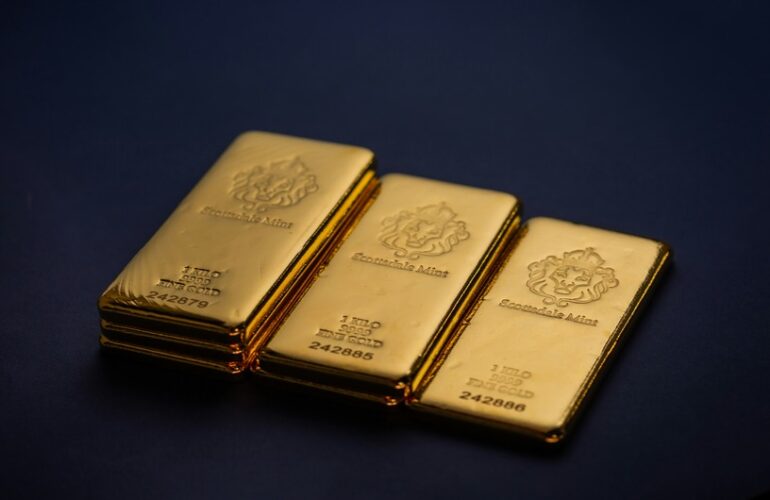
Unlike some countries that are known for a single gold trading district or a famous marketplace, the American gold market has no single centre of gravity. Instead, it stretches across the country, connecting investors, collectors, businesses, refiners, and dealers through one of the world’s most diverse precious metals ecosystems. This diversity helps explain why gold sellers in USA play such an important role in the global gold market and why American buyers have access to an extraordinary range of products and services.
Discover why gold sellers in USA serve one of the world’s largest and most diverse precious metals markets. Learn how America’s gold market evolved and what makes it unique.
In American economic history, gold occupies a unique place. It has been linked to periods of expansion, financial uncertainty, wealth preservation, and investment innovation. Over time, these influences helped create a market that serves a remarkably broad range of participants. This is true whether you are talking about first-time buyers purchasing a single coin or institutional investors managing significant bullion holdings.
Understanding how this market developed provides valuable insight into why the United States remains one of the world’s most important destinations for gold trading and investment.
A Market Built on More Than Gold
The strength of the American gold market is not simply a reflection of demand for precious metals. It is also a product of the country’s financial infrastructure, entrepreneurial culture, and investment traditions.
For generations, Americans have perceived gold through multiple lenses. There is a category that sees it as a long-term store of value. Others view it as a tool for diversifying portfolios. On the other hand, collectors may appreciate its historical significance, while businesses often engage with gold through manufacturing, jewellery production, or commercial trading.
Because the market serves such a wide range of participants, it has evolved into an ecosystem that supports many different buying behaviours. This diversity has encouraged the growth of thousands of businesses operating throughout the supply chain.
The result is a marketplace where gold sellers in USA cater to an unusually broad spectrum of needs, helping make physical gold accessible to people from all walks of life.
The Evolution of Gold Ownership in America
To understand today’s market, it is helpful to appreciate how attitudes toward gold ownership have changed over time.
Gold has played an important role in the American economy since the country’s earliest years. Discoveries such as the California Gold Rush transformed both regional economies and national development, embedding gold deeply within the American imagination.
Throughout much of modern history, gold has also been associated with financial security. During periods of economic uncertainty, inflation concerns, or market volatility, interest in physical gold often increases as investors seek assets perceived as stable and tangible.
These cycles of interest have contributed to the growth of a sophisticated marketplace capable of responding to changing investor needs. As demand evolved, so too did the businesses serving that demand.
Today’s gold sellers operate in a market shaped by decades of changing economic conditions, technological advances, and shifting investor preferences.
Why Gold Sellers in USA Serve Such a Wide Range of Buyers
One of the defining characteristics of the American gold market is the diversity of its customer base.
In many countries, gold purchasing is concentrated within specific groups or industries. In the United States, however, participation spans multiple demographics and economic sectors.
Some buyers are interested in wealth preservation and long-term investment. Others are drawn to collectible coins, historical pieces, or precious metals as part of a broader hobby. Commercial buyers may require gold for manufacturing or jewellery production, while financial professionals may acquire bullion products on behalf of clients.
Because these groups have different objectives, sellers have adapted by offering a wide range of products and services.
A first-time buyer might purchase a small gold coin as an introduction to precious metals investing. A more experienced investor may focus on bullion bars. Collectors often seek rare or limited-edition products, while businesses may require larger quantities of gold for commercial purposes.
This diversity has encouraged competition, innovation, and specialisation throughout the industry.
How Competition Strengthened the Market
Competition is one of the most significant factors shaping the American gold industry.
The large number of participants in the market has created an environment where businesses must continuously improve their offerings to attract customers. This competition extends beyond pricing and often includes customer service, product selection, educational resources, storage solutions, and technological innovation.
For buyers, competition has generally translated into greater choice and accessibility.
Investors can compare products from multiple sources, access educational materials, and explore different purchasing options before making decisions. Businesses have incentives to improve efficiency and expand their offerings, helping create a dynamic marketplace that continues to evolve.
In many ways, the diversity of gold sellers in USA reflects the broader characteristics of the American economy itself—competitive, adaptable, and responsive to consumer demand.
The Rise of Online Gold Buying
Perhaps no development has transformed the market more dramatically than the growth of online commerce.
In the past, purchasing gold often required visiting a local dealer or working through specialised brokers. While these channels remain important, digital platforms have dramatically expanded access to physical precious metals.
Nowadays, buyers can research products, compare prices, and place orders from virtually anywhere. This has made gold investing more accessible to individuals who may not live near traditional bullion dealers.
Online platforms have also increased transparency. Investors can access live pricing information, educational content, and product specifications with ease, helping them make more informed decisions.
The growth of digital commerce has enabled gold sellers in USA to reach customers far beyond their immediate geographic areas, contributing to a more interconnected national marketplace.
Why Investors Continue to Value Physical Gold
Tradition alone cannot explain the enduring popularity of physical gold.
Gold possesses characteristics that many investors find appealing. It is tangible, widely recognised, and independent of the performance of any single company or institution. These qualities have helped sustain interest across different economic cycles.
For some investors, physical gold serves as a diversification tool within a broader portfolio. Others appreciate its long history as a store of value. Many simply value the reassurance that comes from owning a tangible asset.
The continued relevance of these motivations helps explain why demand for physical gold remains strong despite the emergence of numerous alternative investment options.
Gold sellers play an important role in meeting this demand. They do so by connecting buyers with products that align with different investment objectives.
Beyond Investors: The Broader Economic Role of Gold
Although investment demand often attracts the most attention, it represents only one aspect of the gold market.
Gold is also used in jewellery manufacturing, technology, medical applications, and various industrial processes. These sectors contribute to ongoing demand and support a broader ecosystem of businesses involved in refining, distribution, logistics, and retail.
This interconnectedness helps strengthen the overall market. Demand originates from multiple sources, reducing reliance on any single segment of the economy.
Gold sellers operate within this wider network, serving as intermediaries that help connect supply with diverse forms of demand.
Understanding this broader context reveals why the market remains resilient and why gold continues to occupy a unique position within the economy.
What the Future Holds for Gold Sellers in USA
The American gold market has evolved significantly over the years, but its fundamental strengths remain intact.
Growing access to digital platforms is likely to continue reshaping how buyers interact with sellers. Technology is making information more accessible and transactions more efficient, helping lower barriers to entry for new participants.
At the same time, broader economic trends continue to influence investor behaviour. Inflation concerns, geopolitical developments, and changing financial conditions all have the potential to affect interest in precious metals.
As these factors evolve, gold sellers will likely continue adapting to meet changing customer expectations.
Innovation may alter how products are marketed, researched, and purchased, but the core function of connecting buyers with physical gold is likely to remain unchanged.
A Market Defined by Accessibility
Perhaps the most remarkable aspect of the American gold market is its accessibility.
Differing from markets that revolve around a single city, trading district, or commercial hub, the United States supports a nationwide ecosystem that serves participants across diverse geographic regions and economic backgrounds.
This is the accessibility that has helped democratise gold ownership. Individuals no longer need extensive resources or specialised knowledge to participate in the market. Whether someone is interested in purchasing a single coin or building a substantial bullion portfolio, there are pathways available to meet those goals.
The breadth of the market also encourages ongoing innovation and competition, creating benefits for both buyers and businesses.
It is this combination of scale, diversity, and accessibility that distinguishes the American gold market from many others around the world.
Conclusion
The story of gold sellers in USA is ultimately a story about market diversity. Rather than relying on a single trading hub or a narrow customer base, the American gold market has developed into a broad and dynamic ecosystem that serves investors, collectors, businesses, and institutions alike.
Its strength lies not only in the volume of gold traded but also in the variety of participants who contribute to its growth and resilience. Competition, innovation, digital transformation, and widespread accessibility have combined to create one of the world’s most sophisticated precious metals markets.
For anyone seeking to understand why the United States remains a major force in global gold trading, the answer extends beyond the metal itself. It lies in the diverse network of buyers, sellers, and businesses that continue to shape a market built to serve many different needs, and that diversity remains one of its greatest strengths.
Related Links